I Switched to the Om D E M5 Mark Iii and Here is What Happened
Introduction
When considering a camera upgrade, photographers—whether enthusiasts or professionals—are faced with a dizzying array of options. The new hybrid shooters want compactness, robustness, agility, and of course, stunning image quality. In this editorial, we explore what happens when a photographer trades in their familiar DSLR or even another mirrorless system and makes the leap to the Olympus Om D E M5 Mark III. With the lines between enthusiast and professional gear blurring, this Micro Four Thirds camera has been making waves—and not just for its legendary weather sealing.
This article delivers a hands-on review and detailed buying guide, focusing on what users genuinely care about: performance, real-world usability, and value versus competitors. If you’re eyeing the OM-D E-M5 Mark III as your next creative tool, read on for genuine insights from a long-term switcher’s perspective.
Product Review: Living with the OM-D E-M5 Mark III
Ergonomics and Build Quality
First impressions matter. The OM-D E-M5 Mark III reminds users immediately of Olympus’s dedication to premium design in a small package. Weighing just around 366g (body only), this camera is a blessing for travel and street photographers. The magnesium alloy construction coupled with weather sealing inspires confidence—a feature not always present at this price point.
Buttons and dials are logically placed and tactile, though some users with larger hands might find them slightly clustered. The articulating touchscreen is both crisp and responsive, serving both traditionalists and vloggers.
Image Quality and Sensor Performance
The Mark III features a 20.4MP Live MOS Micro Four Thirds sensor paired with the advanced TruePic VIII processor. In real-world use, this combination delivers punchy colors and pleasing dynamic range. While Micro Four Thirds cannot match full-frame low-light performance, the integrated 5-axis in-body image stabilization (IBIS) makes handheld shots at slower shutter speeds remarkably sharp.
JPEGs out-of-camera benefit from Olympus’s color science—natural skin tones, vibrant landscapes, and reliable auto white balance. RAW shooters will appreciate the malleability of files, though a bit of noise creeps in above ISO 3200.
Discover deals on Electronics — updated daily.
Browse Now →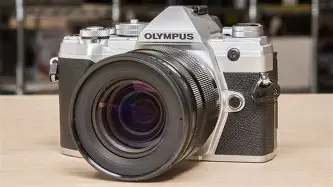
Autofocus and Speed
Rapid moments are captured thanks to a 121-point hybrid autofocus system. The Mark III tracks moving subjects significantly better than earlier OM-D models, making it reliable for street, event, and candid portrait photography. Burst shooting at up to 10 fps (mechanical shutter) allows for action sequences that rival entry-level sports cameras.
Face and eye-detection work reliably in most lighting conditions, although Canon and Sony’s latest systems hold a slight edge for fast, erratic subjects like kids or wildlife.
Video Capabilities
Video creators will find several improvements: 4K video at up to 30fps, clean HDMI out, and robust stabilization yield usable handheld footage with minimal post-processing required. The fully articulating LCD and mic input make the Mark III a strong choice for vloggers on the go, though the lack of headphone monitoring and relatively modest bitrates leave dedicated videographers wanting more.
Battery Life and Connectivity
A single BLS-50 battery delivers around 300 shots per charge in mixed use, in line with other mirrorless cameras. USB charging is welcome for travellers. Built-in Wi-Fi and Bluetooth facilitate quick sharing and remote shooting via the Olympus Image Share app—though the app itself can feel sluggish compared to competitors.
Lenses and System Ecosystem
Micro Four Thirds is often underrated, but the breadth of native lenses—many lightweight, weather-sealed options from both Olympus and Panasonic—means users rarely feel limited. Legacy and adapted glass add to the creative toolkit, expanding beyond the “kit lens” syndrome common with new camera platforms.
Shop the latest Electronics picks on Amazon.
View Offers →Pros and Cons of the OM-D E-M5 Mark III
- Pros
- Excellent weather-sealed, lightweight body—ideal for travel and outdoor use
- Superb 5-axis in-body image stabilization (IBIS)
- Well-developed lens ecosystem with many compact, high-quality options
- Vibrant JPEG color profiles and accurate white balance out of camera
- Robust 121-point hybrid autofocus—fast and accurate in most everyday scenarios
- Articulating touchscreen layout conducive to both stills and video
- Decent burst shooting and minimal shutter lag for dynamic scenes
- USB charging and Bluetooth/Wi-Fi for modern connectivity
- Silent shooting mode for discreet street or event work
- Cons
- Smaller sensor limits shallow depth of field and ultra-high ISO performance
- Buttons may feel clustered for larger hands
- Battery life is average—serious shooters will want at least one spare
- No headphone jack for real-time audio monitoring during video
- Olympus Image Share app is less intuitive than competitors’ mobile apps
- Menu system has a learning curve for new users
- Not the best choice for serious wildlife or sports autofocus tracking
Comparison: OM-D E-M5 Mark III vs. Similar Models
| Feature | OM-D E-M5 Mark III | Fujifilm X-S10 | Sony a6400 | Canon EOS M6 Mark II |
|---|---|---|---|---|
| Sensor | 20.4MP Micro Four Thirds | 26.1MP APS-C | 24.2MP APS-C | 32.5MP APS-C |
| Image Stabilization | 5-axis IBIS | 5-axis IBIS | No IBIS | No IBIS |
| Autofocus Points | 121 (Hybrid) | 425 (Hybrid) | 425 (Contrast/Phase) | 143 (Dual Pixel) |
| Burst Shooting | 10 fps (mechanical) | 8 fps (mechanical) | 11 fps (mechanical) | 14 fps (mechanical) |
| Weather Sealing | Yes | No | No | No |
| Articulating Screen | Fully articulating | Fully articulating | Tilt | Tilt |
| Video Max Resolution | 4K/30p | 4K/30p | 4K/30p | 4K/30p |
| Battery Life (CIPA) | Approx. 310 shots | Approx. 325 shots | Approx. 410 shots | Approx. 305 shots |
| Weight (Body only) | 366g | 465g | 403g | 408g |
| Lens Ecosystem | Extensive MFT | Extensive X-Mount | Extensive E-Mount | Moderate EF-M |
Who Should Buy the OM-D E-M5 Mark III?
The OM-D E-M5 Mark III strikes a unique balance. Its target audience includes travel photographers, street shooters, landscape enthusiasts, and hybrid creators who value portability, weather resistance, and dependable IBIS. It's less suited to those who require razor-thin depth of field, ultimate low-light prowess, or sophisticated subject tracking for sports and wildlife—those buyers might prefer a larger sensor APS-C or full-frame alternative.
For photographers transitioning from smartphones or compact cameras, the E-M5 Mark III represents a significant leap in creative control and image quality while remaining unintimidating. For seasoned DSLR shooters seeking a lighter “second system” without sacrificing much capability, this camera is a smart introduction to Micro Four Thirds strengths.
Buying Guide: Tips for Choosing the Right Mirrorless Camera
- Assess Your Priorities: Do you value compactness, weather sealing, or all-out image quality? The E-M5 Mark III excels in the first two, making it perfect for travel and outdoor use.
- Consider the System Ecosystem: Micro Four Thirds offers plenty of affordable, high-quality lens options. Check lens availability for your preferred genres before buying.
- Autofocus Needs: While the E-M5 Mark III’s AF is reliable for most, those prioritizing cutting-edge animal eye-AF or advanced sports tracking may prefer an APS-C or full-frame model.
- Video Features: If you’re a hybrid creator, the Mark III’s stabilized 4K video, articulating screen, and compact system are strong advantages. However, missing features like headphone jacks or high bitrates may push video pros to other models.
- Ergonomics and Menu System: Always handle the camera in person if possible. While Olympus’s build quality is excellent, some users may find its menu system complex or buttons crowded.
- Budget for Accessories: Don’t forget spare batteries, SD cards, and perhaps a fast prime lens—these small investments dramatically improve the user experience.
Conclusion
Switching to the OM-D E-M5 Mark III is a journey into what makes Micro Four Thirds special: lightweight freedom, robust build quality, and an ecosystem refined by years of careful engineering. In day-to-day scenarios, the camera rarely feels like a compromise. Its IBIS makes previously impossible shots routine, its colors require little post-processing, and its all-weather credentials mean leaving the camera at home is no longer necessary.
While photographers demanding absolute sensor supremacy or the best autofocus tracking may seek more specialized (and heavier) gear, the E-M5 Mark III ably bridges the enthusiast–pro divide. Users drawn to versatility, creativity, and travel-friendly portability will find it a trusted companion for years to come. The experience of switching, ultimately, is less a matter of sacrifice and more a rediscovery of why photography should feel joyful, spontaneous, and always ready for adventure.