The Ultimate Setup Guide for Your Marshall Kilburn Iii
Introduction
The Marshall Kilburn Iii occupies a distinctive place in the portable speaker market: a compact unit that blends classic Marshall styling with a performance-oriented audio profile. For buyers who appreciate the look and feel of a vintage amp but need a battery-powered speaker for modern life, it delivers a compelling proposition. This guide walks through everything a new owner needs to know to get the most from a Kilburn Iii—unboxing and first-time setup, optimizing placement and settings, real-world use cases, and practical buying considerations. The goal is to turn the moment of powering on into a satisfying, long-term experience.
What the Kilburn Iii Brings to the Table
The Kilburn Iii is built around three core ideas: aural character, portability, and durable build. In practice that means a sound signature that emphasizes midrange clarity and presence, a design that nods to Marshall’s amplifier heritage (textured vinyl, gold accents, tactile knobs), and a form factor intended for both home use and short trips. Buyers typically care about how it performs in living rooms, kitchens, small gatherings, and outdoors on a picnic or patio—this guide focuses on those real-world scenarios.
Key features to expect
- Tonal profile: Mid-forward presentation with pronounced presence that suits vocals and guitars, while bass remains controlled rather than overblown.
- Controls and ergonomics: Physical dials or tactile controls for volume and basic tone adjustments deliver a hands-on experience.
- Inputs: Bluetooth wireless streaming and at least one wired input give flexibility for different sources.
- Battery life: Portable runtime intended to cover a day out or an evening at moderate listening levels—actual endurance depends on volume and usage patterns.
- Build quality: Rugged styling and a compact footprint make the speaker suitable for both stationary placement and transport.
Unboxing and First-Time Setup
Out of the box, the Kilburn Iii generally ships with the speaker itself, a power adapter or charging cable, and a quick-start guide. The initial setup is intentionally simple, but a few deliberate steps will ensure optimal performance and longevity.
1. Inspect and charge
Before first use, inspect the unit for transit damage and confirm the included accessories are present. Charge the speaker fully to condition the battery—allow it to reach a full charge using the supplied power adapter. A full initial charge helps with calibration of the battery meter and is a good baseline for estimating real-world runtime.
2. Placement during setup
Place the speaker on a stable surface at ear height when testing. Avoid placing it directly on soft surfaces (thick carpets or cushions) that can absorb bass energy and muffle the output. For temporary outdoor setups, place the speaker on a firm, level surface and keep the back clear for open airflow and better bass projection.
3. Powering on and pairing
Power the speaker on via the main switch. To pair, enable Bluetooth on the source device and select the Kilburn from the list of available devices. If multiple devices will use the speaker regularly, test reconnecting each to confirm memory pairing works smoothly. For wired sources, connect via the line-in jack and remember to switch the input mode if the unit requires it.
4. Check for firmware updates
Marshall sometimes issues firmware updates that improve connectivity, battery behavior, or audio performance. If a manufacturer app or desktop tool is available, connect and check for updates during initial setup. Updating early avoids intermittent issues later and can enable new features.
Optimizing Sound and Placement
Marshall’s speakers tend to be voiced with a character that rewards a bit of experimentation. The Kilburn Iii will present differently in varying rooms, so spend a few minutes adjusting placement and tone controls.
Room placement tips
- Near-field listening (desk or bedside): position the speaker aimed toward the listening position, about a foot from the room boundary for balanced bass.
- Small living room or kitchen: center the speaker on a shelf or counter top, avoid corners which can make the bass boomier.
- Outdoor or patio use: elevate the speaker slightly to reduce ground absorption; consider an elevated platform for better sound dispersion.
Using controls and EQ
If the speaker provides bass and treble adjustments, make incremental changes and listen to familiar tracks. The Kilburn Iii’s midrange presence is often its strength—dial back the treble if vocals seem too forward, and add a touch of bass if the low end feels thin at the intended listening volume. For devices that offer an app-based EQ, save custom presets for different locations (indoors vs outdoors).
Looking for the best Audio & Headphones deals on Amazon?
Browse Now →Connectivity and Practical Tips
Bluetooth streaming is the most common use case, but reliable multi-device operation and wired fallback are important in everyday life. The Kilburn Iii aims to be versatile, but a few practical tips will make connectivity less frustrating.
- Multi-device switching: If multiple people will take turns streaming, test how the speaker handles switching between sources. Some setups require the currently connected device to disconnect before another can pair.
- Wired backup: Keep a short aux cable on hand for situations where Bluetooth is unreliable or when a device’s battery is low.
- Battery management: Avoid letting the battery sit fully discharged for extended periods. If storing the speaker for weeks, charge it to around 50% and power it off to preserve battery health.
- Interference mitigation: In crowded wireless environments, move the source device closer during initial pairing or temporarily disable other radios to reduce pairing timeouts.
Real-World Use Cases
The Kilburn Iii is designed to straddle lifestyle roles, and buyers often ask how it performs in common scenarios. The following outlines typical uses and what to expect.
Home listening and focused music sessions
For solo listeners or couples in small to medium rooms, the Kilburn Iii provides a detailed midrange that brings vocal and acoustic tracks to life. It’s well-suited to genres where clarity matters—indie, acoustic, singer-songwriter material, and classic rock. Listeners who prioritize tight, controlled bass for electronic dance music may find it less dominant than larger portable speakers, but adjusting placement and using a low-shelf boost can help.
Kitchen, bathroom, and multitasking music
Its compact footprint makes the speaker handy for spaces where a full stereo system is impractical. The speaker’s presence-focused sound helps voices and melodies cut through ambient noise, making it appealing for cooking, casual listening, and background sound while doing chores.
Small gatherings and parties
For gatherings of 10–20 people in a living room or backyard, the Kilburn Iii can fill the space with satisfying sound at moderate volumes. For larger outdoor events or parties that demand extended loud playback, pairing with a second speaker or choosing a larger model will be necessary for sustained high-output performance.
Travel and on-the-go
Its portability makes it attractive for day trips and short vacations. When packing, protect the speaker from hard impacts and moisture. Consider a padded sleeve or wrap to reduce cosmetic wear. Remember that battery runtime shortens at high volume and in cold conditions.
Product Analysis: Strengths and Limitations
A pragmatic analysis helps buyers decide whether the Kilburn Iii matches their priorities. The strengths below are typical of Marshall’s portable line; limitations reflect trade-offs inherent in a compact, styled speaker.
Pros & Cons
- Pros
- Distinctive design: Iconic Marshall aesthetic that doubles as décor.
- Vocal clarity: Midrange-forward tuning favors vocals and guitars.
- Build quality: Solid construction that feels durable and premium.
- Portability: Balanced size for carrying between rooms and short trips.
- Simple controls: Physical knobs provide intuitive tactile adjustment.
- Cons
- Bass limitations: Not as deep or extended as larger portable rivals.
- Not tailored for raucous parties: Output is excellent for small groups but may struggle at high SPLs for large outdoor events.
- Feature trade-offs: May lack some software features found on competing models (multi-speaker ecosystem, advanced app EQ).
- Price considerations: Styling and brand premium may command a higher price than comparable-sounding alternatives.
Comparison Table (When Relevant)
The table below contrasts the Kilburn Iii with two common alternatives: a compact Marshall sibling and a mainstream portable rival. This qualitative comparison focuses on attributes buyers usually weigh.
| Feature | Marshall Kilburn Iii | Marshall Larger Desktop/Party Model | Mainstream Portable Rival |
|---|---|---|---|
| Sound signature | Mid-focused, articulate vocals | Fuller low end, higher SPL | Bass-forward, designed for punch |
| Portability | Highly portable for short trips | Less portable; best for stationary use | Very portable, often waterproof |
| Battery life (typical) | Daytime use—many hours at moderate volume | Often longer or designed for mains use | Long runtimes, optimized for outdoor use |
| Inputs and features | Bluetooth + auxiliary | Bluetooth, aux, sometimes multi-room | Bluetooth, USB charging, party modes |
| Best for | Home, travel, small gatherings | House parties, home audio centerpiece | Active outdoor use, sports, poolside |
Buying Guide: How to Decide if the Kilburn Iii Is Right
When choosing a portable speaker, buyers typically evaluate sound, portability, build, battery, connectivity, and value. The following checklist frames those considerations specifically for the Kilburn Iii.
Discover deals on Audio & Headphones — updated daily.
See Deals →1. Identify primary use cases
If the main use is home listening with occasional outdoor use, the Kilburn Iii is a strong match. Those who need all-day outdoor power at very high volumes might prefer a larger, more bass-oriented model.
2. Prioritize sound signature
Marshall’s voice is not neutral—expect a characterful midrange. Buyers who prioritize vocal clarity, acoustic instruments, or classic rock will appreciate the artistic tuning. For bass-heavy EDM or hip-hop enthusiasts who need deep sub-bass, consider pairing with a dedicated subwoofer or choosing a different model focused on low-frequency extension.
3. Consider build and aesthetics
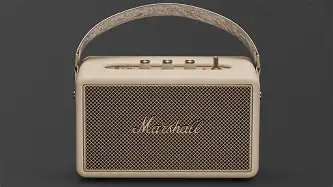
The visual presence of a speaker matters for many buyers. If the Marshall aesthetic is desirable because the speaker doubles as a piece of living room decor, that adds value beyond technical specs.
4. Evaluate connectivity needs
Check whether the required inputs and wireless features exist for personal devices—auxiliary input for legacy sources, Bluetooth stability for multiple users, and app support for firmware or EQ. If advanced multi-speaker ecosystems or voice assistant integration are necessary, confirm those features before purchase.
5. Plan for accessories and care
A padded sleeve, cable organizer, and protective pouch protect the finish during transport. Additionally, understanding the warranty terms and customer support options common for the brand helps set expectations for long-term ownership.
Maintenance and Long-Term Care
Proper maintenance extends the life and preserves the performance of any portable speaker. The Kilburn Iii responds well to practical care routines.
- Cleaning: Use a dry, soft cloth for the exterior; avoid liquids and harsh chemicals on the grille or control surfaces.
- Storage: Store in a cool, dry place; avoid prolonged exposure to direct sunlight and saline air (beach environments) which can accelerate wear.
- Charging habits: Aim for periodic top-ups rather than leaving the battery at 0% for extended periods. If the device will be unused for months, store it at approximately half charge.
- Software updates: Check periodically for firmware updates that may improve connectivity and battery management.
Troubleshooting: Common Issues and Fixes
Even reliable speakers encounter occasional hiccups. The most common concerns are connectivity and battery behavior.
- Pairing fails: Power-cycle both the speaker and the source device, clear old Bluetooth pairings on the source, and attempt a fresh connection.
- Intermittent audio dropouts: Move closer to the speaker, reduce obstacles, and test with another source to isolate whether the problem is the phone or the speaker.
- Battery drains quickly: Check the volume level and active features; high-volume streaming reduces runtime. If battery life is significantly degraded over time, consult warranty or service options.
- Unbalanced sound: Reposition the speaker away from walls and corners, and adjust onboard tone controls or app EQ if available.
Conclusion
The Marshall Kilburn Iii is a well-rounded portable speaker for listeners who prioritize character, build quality, and a tactile user experience. It excels in small-to-medium environments, offers dependable day-to-day portability, and presents music with a midrange clarity that complements vocals and guitars. Like any design, it balances trade-offs—bass extension and maximum loudness are constrained by the compact chassis—so potential buyers should align expectations with intended use. With mindful placement, sensible battery care, and a quick pass for firmware updates, the Kilburn Iii can be a rewarding companion for home listening sessions, weekend outings, and stylish everyday use.